
Capacity Building Workshop: Libraries Empowering Communities
Capacity Building Workshop:
Libraries Empowering Communities
Publication Date: November 25, 2025 | Author: ECA Library | Type: Story
ECA Library organized a capacity building workshop to strengthen the capacity of library and information professionals in providing services to empower communities in Ethiopia
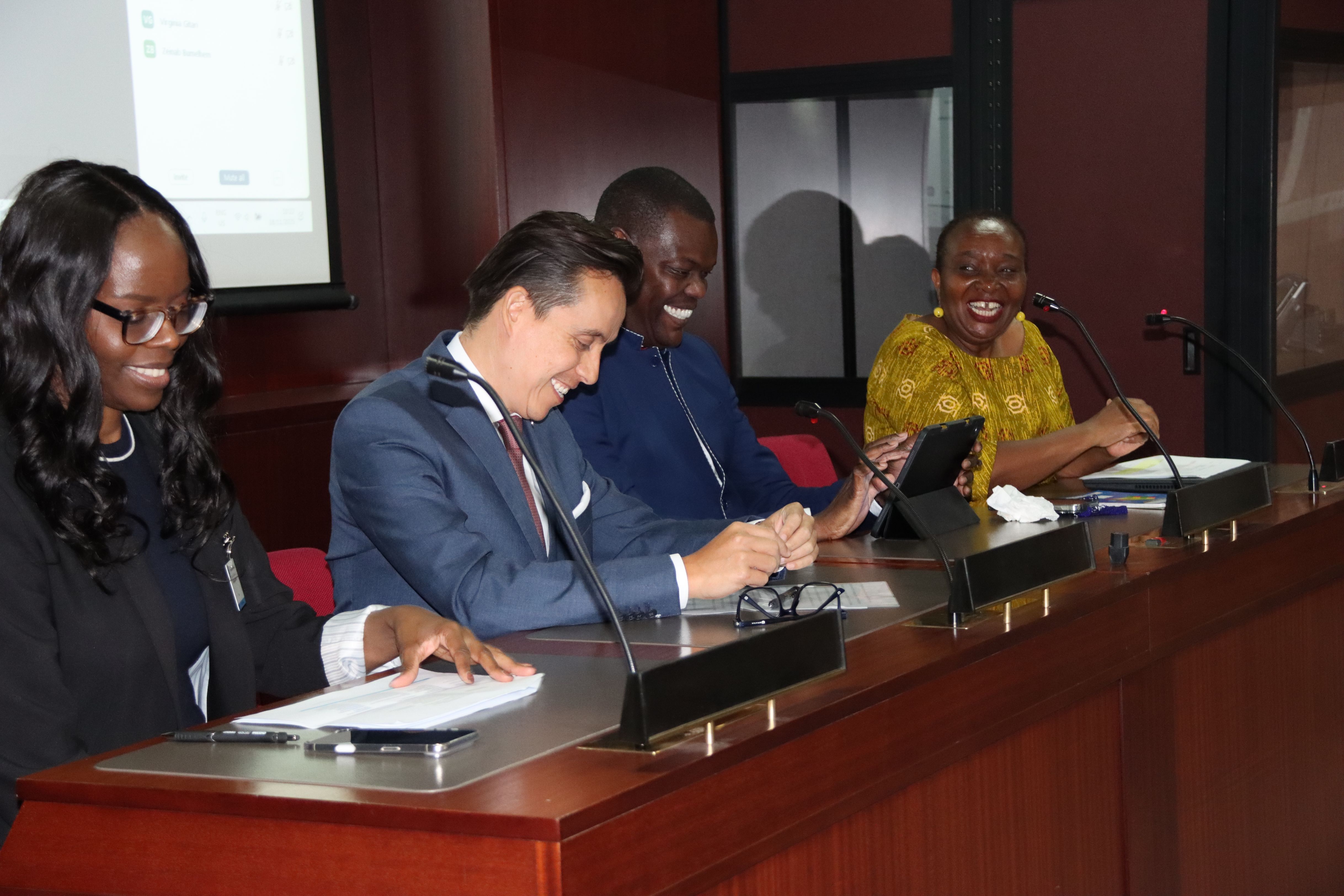 ECA Chief of Staff Mr. Abou Diaw and the Deputy Ambassador of Mexico to Ethiopia, Isaias Noguez Tinoco, delivered keynote addresses at the opening of the workshop.
 Libraries play a critical role in community development, serving as hubs for knowledge, learning, and social engagement. Community libraries provide access to information and education through free access to books, the internet, digital resources, educational materials, etc. They support literacy programs, promote digital literacy and lifelong learning, and help communities, including children, women, the disabled, and underprivileged groups, to achieve their basic right of access to information and education.In collaboration with the Embassy of Mexico and the Spanish Cooperation, from November 17 to 21, 2025, the ECA Library organized a workshop to strengthen the capacities of community librarians and information services in Ethiopia. Organized in parallel with UN-LINKS 2025, the workshop was part of a broader triangular cooperation initiative to exchange experience, upgrade technical skills, and reflect on the role of community libraries in achieving development agendas. Drawing on the expertise of senior librarians from the Bibliotheca Vasconcelos (Mexico), the program combined conceptual input with hands-on practice. Core topics included user-centered library services, collection development in both print and digital environments, and the design of inclusive spaces that respond to changing community needs.
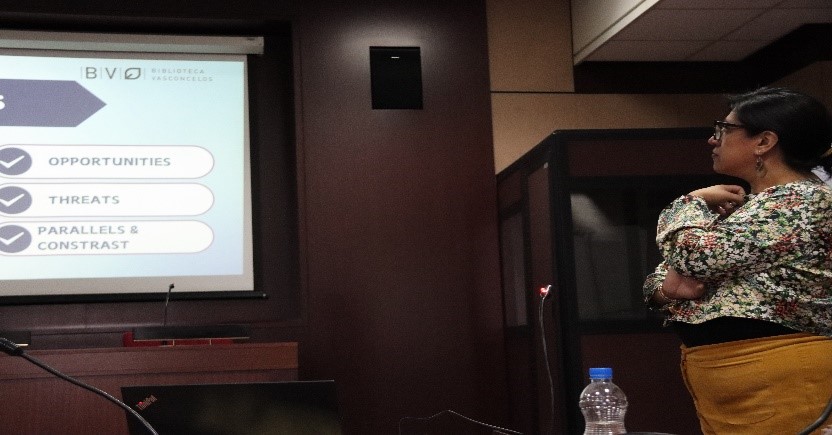
The workshop also explored practical aspects of library management, such as planning services with limited resources, developing outreach and communication strategies, and building partnerships with universities, public institutions, and cultural organizations. The workshop permitted participants to share their own realities and constraints, and learned from examples and tools adapted to the Ethiopian context.
Throughout the sessions, emphasis was placed on peer learning and mutual exchange rather than one-way teaching. Group discussions, exercises, and small projects allowed participants to test new approaches and reflect on how they can be applied in their home institutions. The workshop was envisioned as a starting point for longer-term collaboration, including potential follow-up activities, mentoring, or virtual exchanges between Mexican and Ethiopian library professionals.
 |
 |
 |
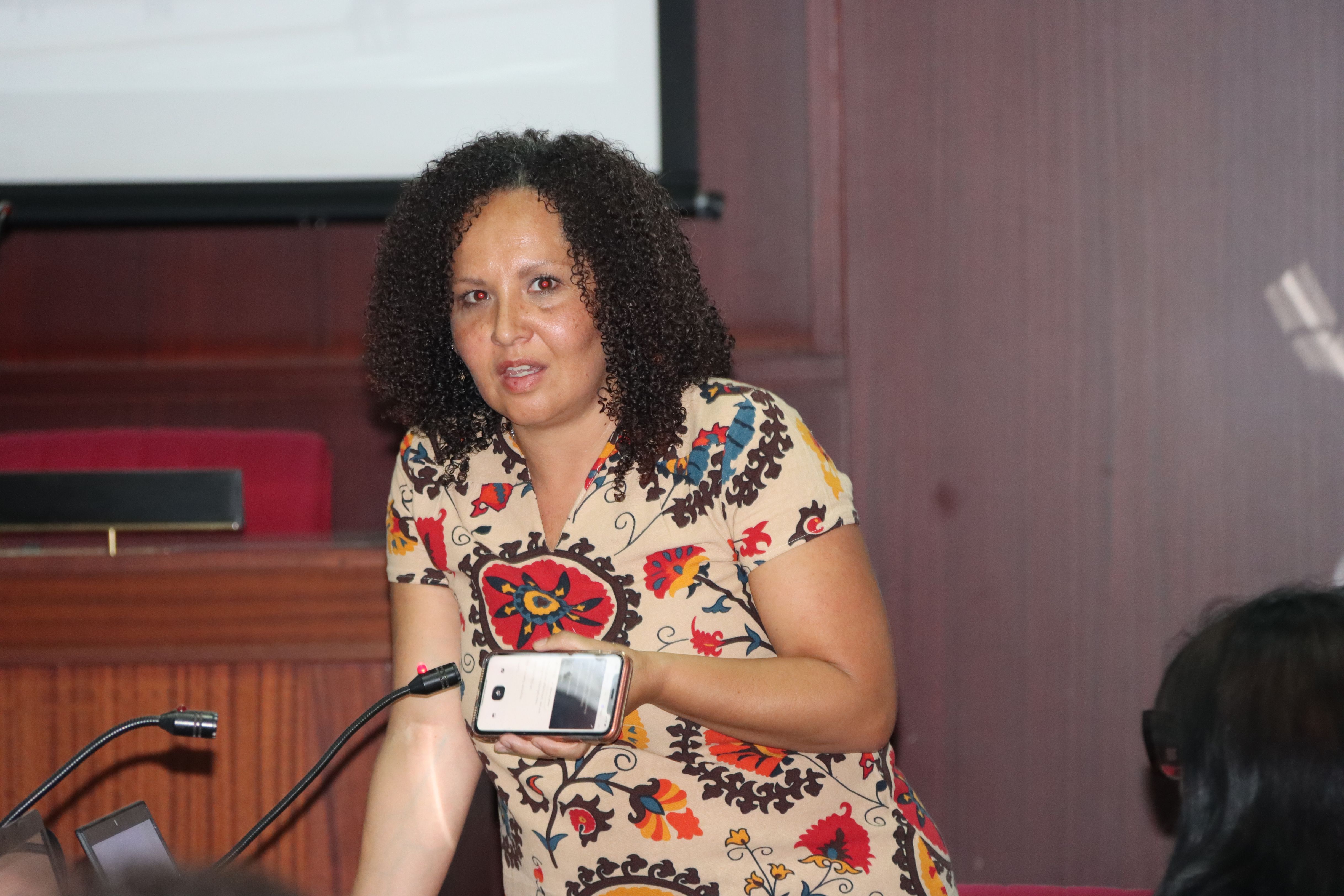 |
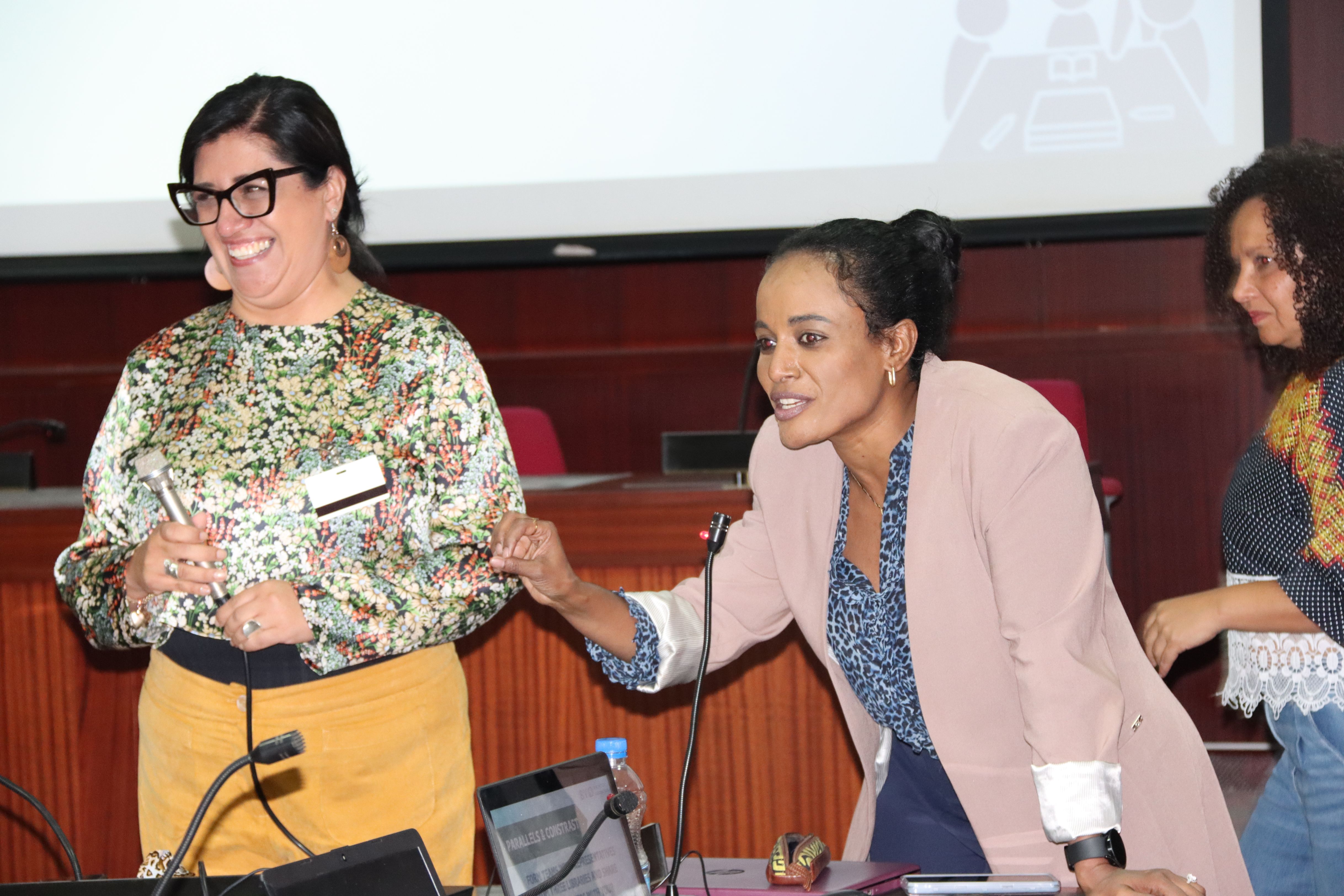
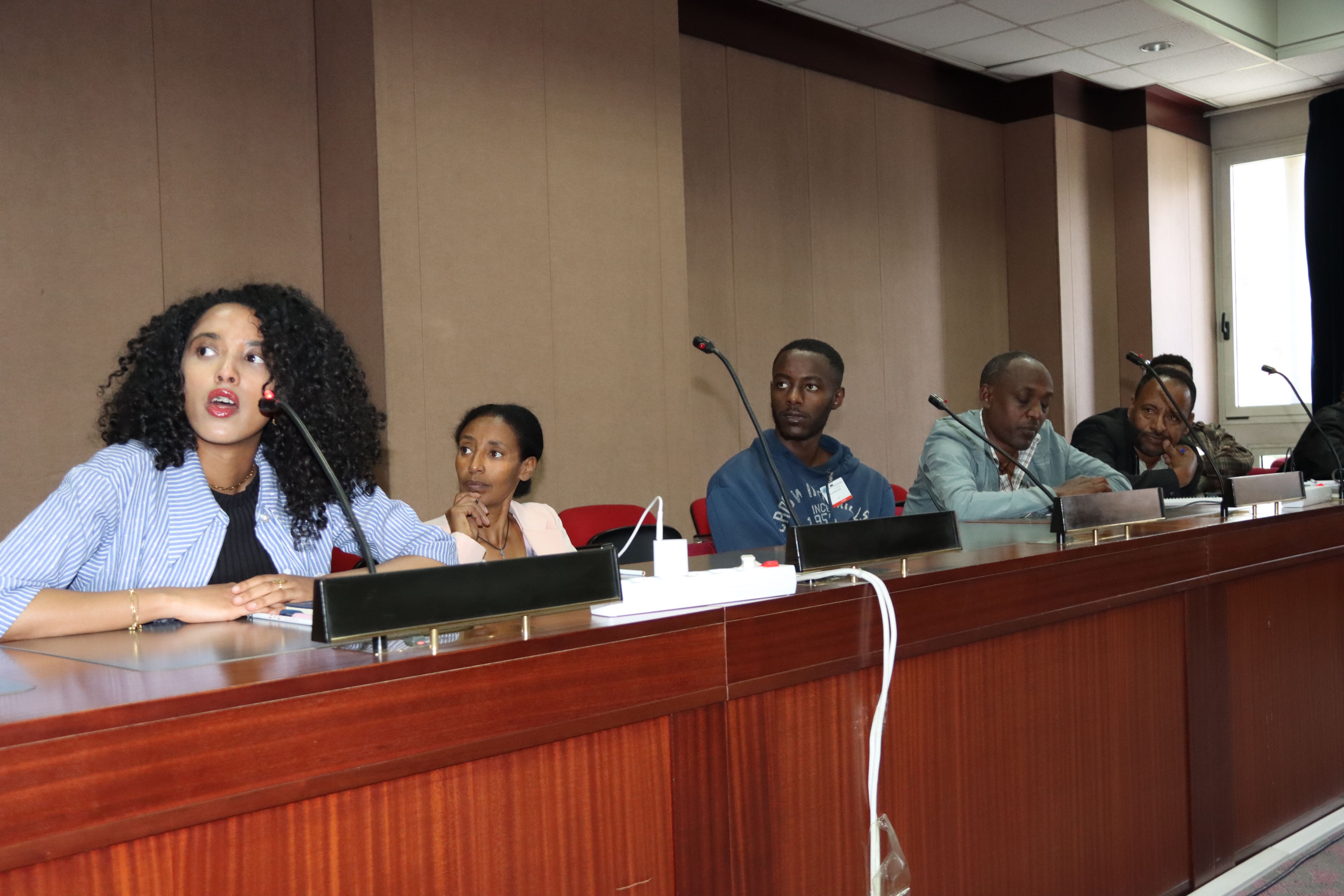
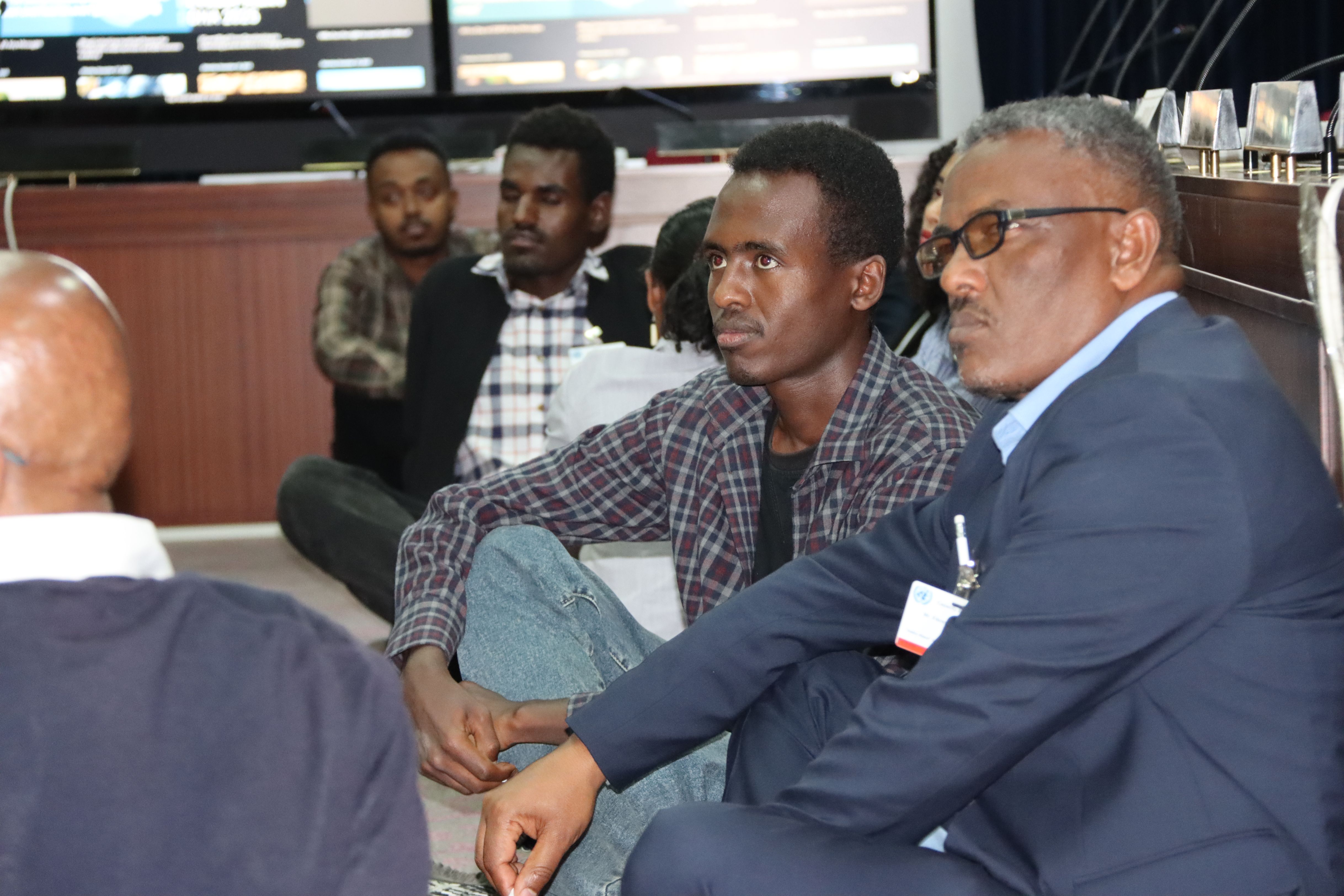
Participatory approach through practical sessions was organized in the form of group discussions, exercises, and small projects.
At the end of the workshop, testimonies from both the trainers and trainees provided a clearer vision of how community libraries can evolve into a more dynamic knowledge space, with the capacity to develop user-oriented tools, methods, and adaptive local and technology-driven solutions to respond to emerging needs of the community and in connecting them to the globalizing world for the achievement of development agendas.