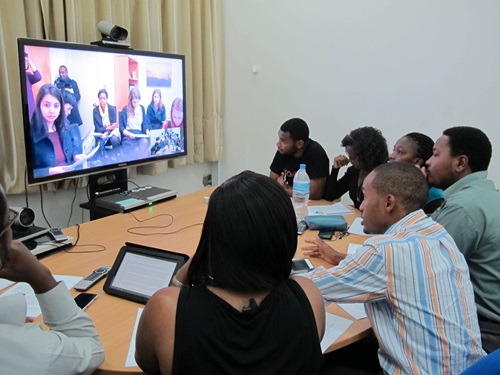
The African Institute for Economic Development and Planning (IDEP) is a pan-African institution created in 1962 by the General Assembly of the United Nations. It began its operations on 21st November, 1963 with the primary purpose of accompanying and supporting newly independent African countries in their quest to build their human resource capacities as a necessary prerequisite for sustaining independence and promoting socio-economic development. Its main activities, are organized around a portfolio of capacity development and training programmes as well as a set of policy research and dialogue initiatives. It also offers on-demand advisory services to governments and public institutions, and serves as a forum for exploration of alternative thinking on African development.
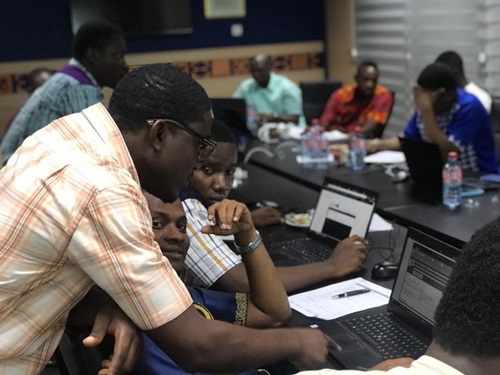
The beneficiaries include senior and mid-level career officials, as well as other stakeholders. The majority of the training programmes offered by the Institute are focused on economic management and development planning.
The policy research work undertaken at IDEP complements the Institute’s training programme and responds to the needs of the policy-making communities and other stakeholders.
Created in 2016, IDEP’s “Knowledge Management and ICT” division seeks to make knowledge resources available to African policy makers, researchers, students, and, in general, anyone interested in Africa’s development. It places special emphasis on resources generated by ECA and IDEP.
Since the turn of the century, Africa has undergone significant political, economic, social, and environmental transformation. After decades of instability, many African countries have experienced impressive economic growth, greater stability, improved governance, and a decline in poverty. However, this growth remains fragile and heavily reliant on external factors. Despite these gains, the continent continues to underperform and struggles to fully capitalize on its abundant natural and human resources.